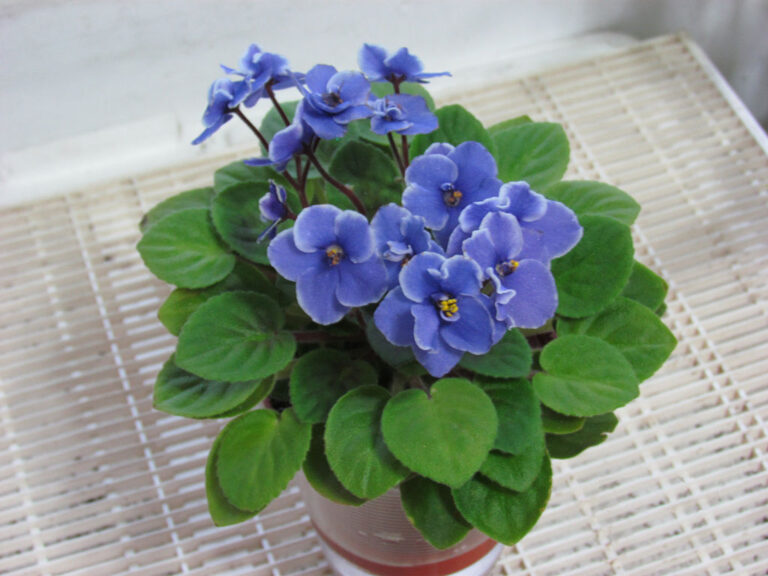
Growing African violets can feel like a puzzle, especially when these popular houseplants refuse to bloom. Many plant lovers provide what seems like perfect care, yet the flowers never appear.
Whether you are new to houseplants or have years of experience, it can be discouraging when your violets hold back their beautiful blossoms.
The good news is that most bloom problems come from a few common causes, and each one has a simple solution. Here are the five main reasons African violets fail to bloom and what you can do to help them thrive.
1. Not Enough Light
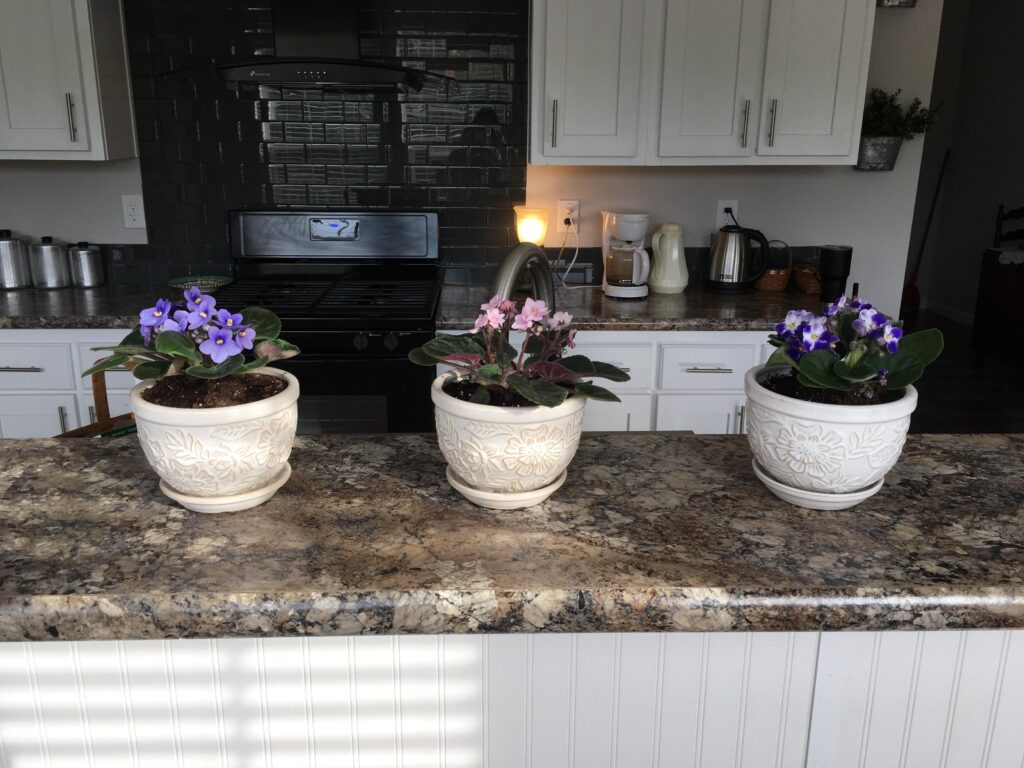
African violets need bright, indirect sunlight to flower. If they sit in a dim corner or too far from natural light, blooming may stop altogether.
Move them near a north or east facing window where light is gentle but steady. If your home lacks natural light, place them under fluorescent grow lights for 12 to 14 hours a day. Increased light often results in a flush of new flowers.
2. Over or Under Watering
Watering mistakes are one of the most frequent obstacles to blooming. Too much moisture leads to root rot and weak growth, while underwatering stresses the plant and prevents buds from forming. Keep the soil lightly moist but never soggy.
Watering from the bottom is ideal. Set the pot in a small dish of water for about 30 minutes and let excess water drain away. This method protects the foliage from spotting and keeps roots healthy.
3. Wrong Temperature
African violets prefer steady conditions. Their ideal temperature range is between 65 and 75 degrees Fahrenheit, or 18 to 24 degrees Celsius.
Exposure to cold drafts, hot sunlight, or heating vents can shock the plant and delay blooming. Maintain a stable environment, avoid sudden changes, and watch placement near windows or fans.
4. Inadequate Humidity
These plants come from humid environments and thrive when moisture in the air is moderate. Aim for around 50 to 60 percent humidity.
If your indoor air is dry, place the pot on a humidity tray filled with water and pebbles, use a small humidifier, or group plants together to create a naturally humid space.
5. Lack of Fertilizer
African violets need regular feeding to produce flowers. If they are not blooming, nutrients may be lacking.
Choose a water soluble fertilizer formulated for African violets and apply it every four to six weeks. Use it sparingly, as overfertilizing can cause salt buildup and damage the roots.
With the right balance of light, water, humidity, temperature, and nutrients, African violets will reward you with vibrant color and steady blooms throughout the year. Small adjustments can bring big results, turning a stubborn non bloomer into a thriving flowering plant.

I’m Emma Parker, the writer and founder behind Emma’s Home Guide. This blog was created to share practical ideas, honest experiences, and helpful guidance for everyday living. My goal is to make home life feel easier, warmer, and more enjoyable, without pressure or perfection.