As a gardener, keeping your outdoor space safe and healthy is a top priority. While most common plants are harmless, a few can pose serious risks to children, pets, and even adults.
After years of helping family and friends set up their gardens, I noticed one plant that keeps appearing in nurseries even though it is widely known to be poisonous.
Understanding what not to plant is just as important as knowing which flowers and vegetables belong in your garden.
Why Pokeweed is a Problem Plant
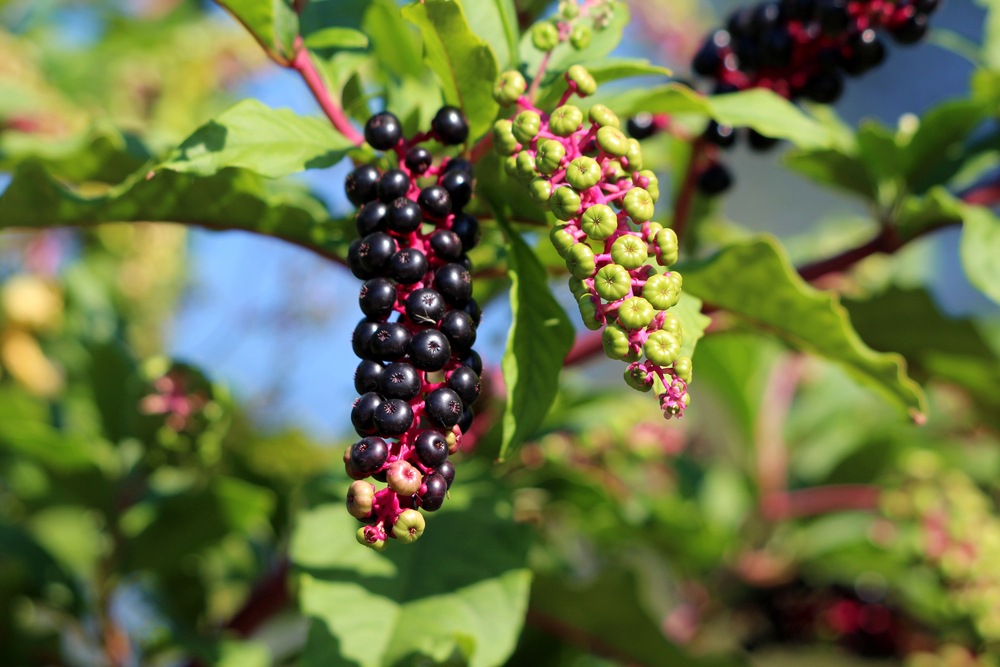
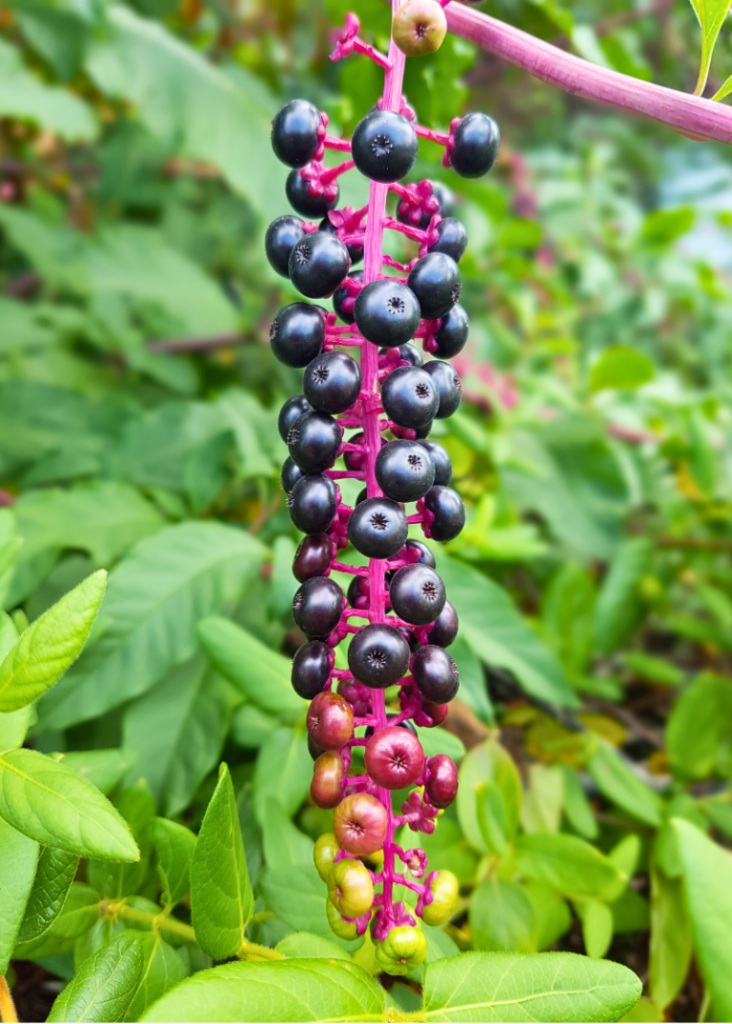
Pokeweed may catch your eye with its tall stalks and bright berries, but it is not a plant you want near your home. Every part of this plant is toxic to humans and animals.
Eating even a small amount of its berries, leaves, or roots can lead to serious illness. Children and pets are especially at risk because the berries look tempting.
If you spot pokeweed growing in your yard or garden beds, remove it immediately. Your outdoor space should be enjoyable and safe.
Extreme Toxicity Levels
Pokeweed contains powerful natural chemicals called saponins and alkaloids. These substances can cause nausea, cramps, vomiting, diarrhea, and difficulty breathing if swallowed.
Livestock, cats, and dogs can also become very sick from eating or chewing the plant. Even touching the sap can irritate the skin for some people.
With such a high level of toxicity, pokeweed has no place in a backyard garden.
How to Identify Pokeweed
Knowing what pokeweed looks like helps you spot it early before it spreads.
Typical features include:
- Height of 3 to 10 feet when fully grown
- Reddish or purple stems
- Large, oval green leaves with smooth edges
- Berries that start green and turn dark purple or nearly black when ripe
- Flowers that form in long clusters before berries appear
It often shows up in neglected corners of yards, fence lines, and woodland edges.
How to Remove Pokeweed Safely
Once you confirm pokeweed is present, take action right away.
Steps for safe removal:
- Put on gloves and long sleeves to avoid skin contact
- Dig up the entire plant, including the thick roots
- Make sure no pieces of root remain in the soil, because the plant can grow back from small fragments
- Dispose of the plant in the trash instead of your compost pile
If pokeweed continues coming back, you may need a glyphosate-based herbicide. Apply carefully and only to the affected area to avoid harming nearby plants.
Persistence is important. Checking often and removing new seedlings will help keep your garden free of this toxic plant.

I’m Emma Parker, the writer and founder behind Emma’s Home Guide. This blog was created to share practical ideas, honest experiences, and helpful guidance for everyday living. My goal is to make home life feel easier, warmer, and more enjoyable, without pressure or perfection.