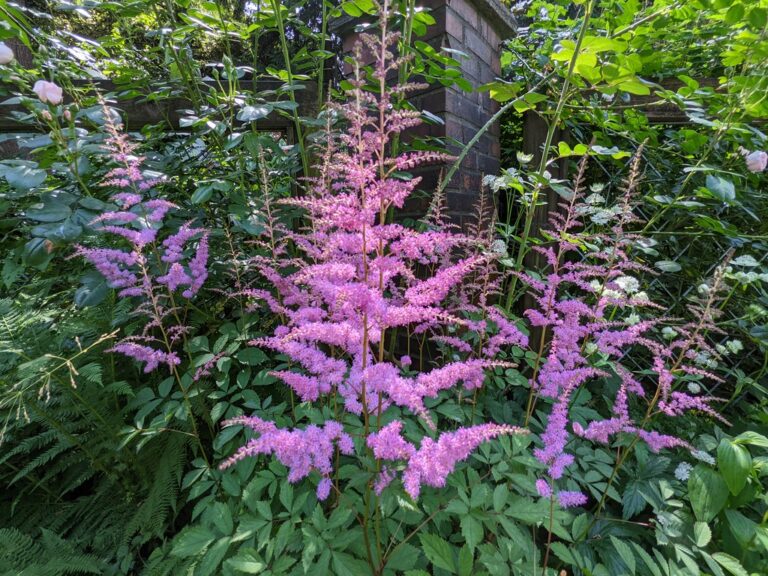
Most hosta companion plants stay between 6 and 24 inches tall.
They are helpful in many ways—some offer shade with their leaves, some attract good insects, and others scare pests away. These plants like the same cool, shady spots as hostas. With the right care, they can help make a healthy garden bed in just one season.
Below are 12 great plants to grow with hostas. The list includes shade-loving favorites like ferns and astilbes, and flowering plants such as bleeding hearts and coral bells.
Astilbes
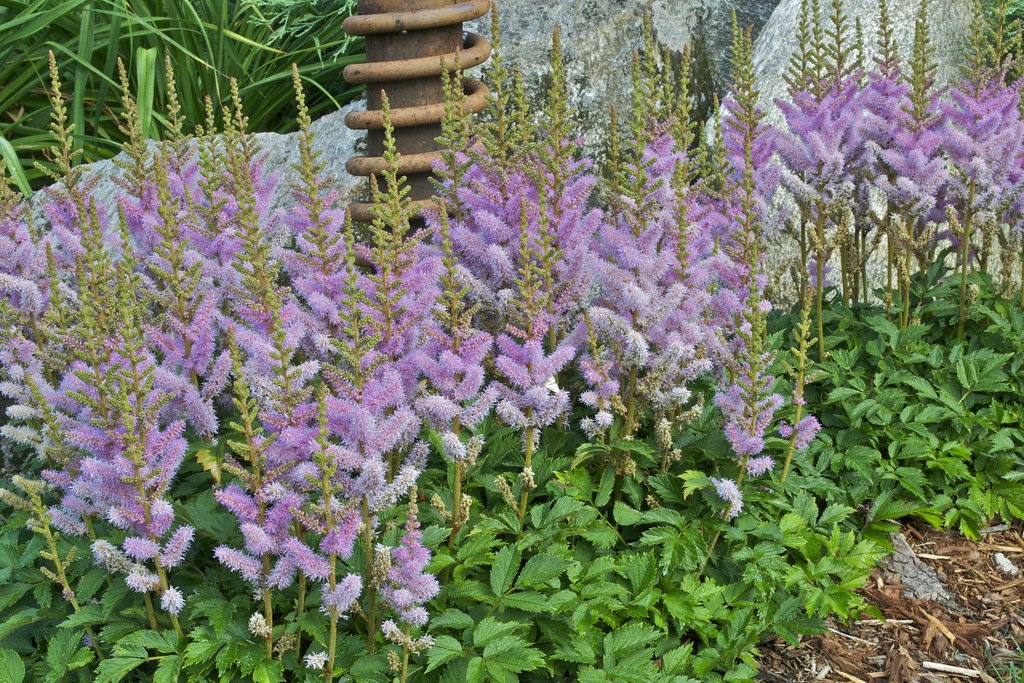
Astilbes grow well in partial shade and moist, well-drained soil.
Plant them in spring or early fall so roots can settle before extreme heat or cold.
They grow slowly to medium speed and slowly fill garden beds with feathery flowers.
Popular types include:
- ‘Fanal’ — deep red blooms
- ‘Bridal Veil’ — soft white flowers
Ferns
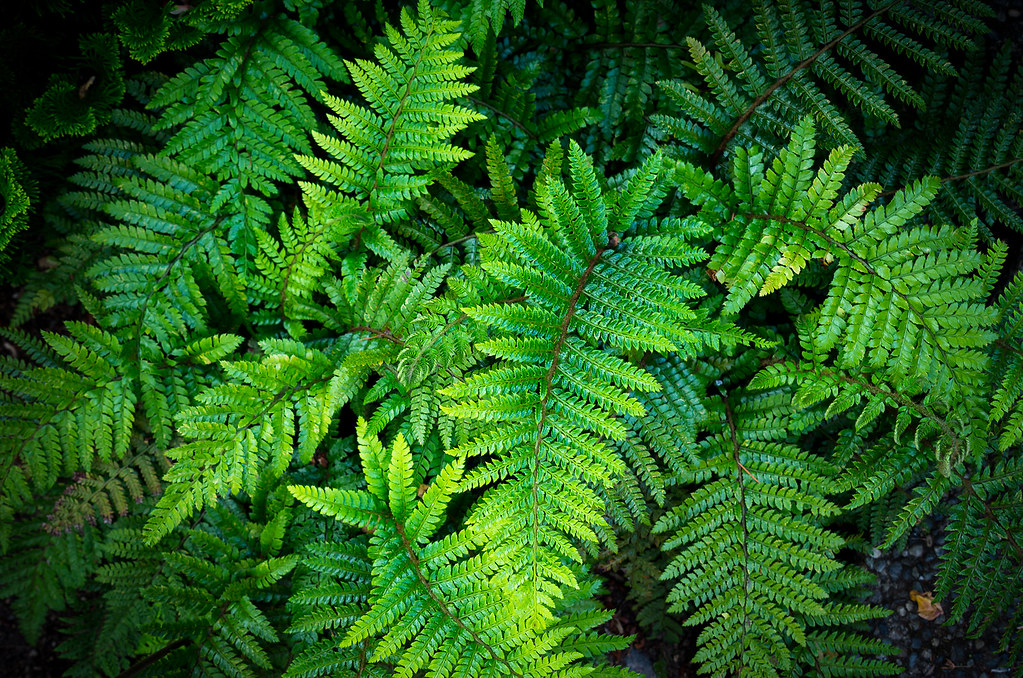
Ferns grow best in rich, moist soil filled with organic matter.
Plant them in spring or fall so they can root before the weather turns harsh.
Growth speed varies—some fill in quickly, while others take years to mature.
Popular choices:
- Button fern — small, round leaves
- Boston fern — large, arching fronds
Heucheras (Coral Bells)
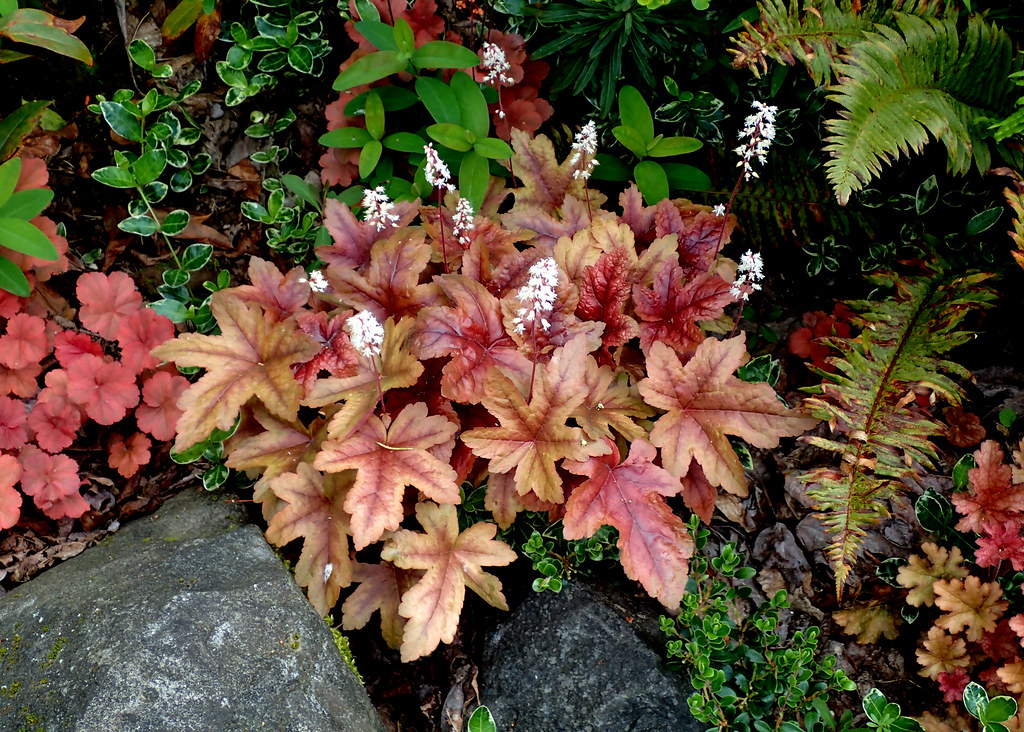
Heucheras stand out for their colorful leaves, which can be red, purple, or green throughout the year.
Plant them in spring or fall in soil that drains well and contains compost or organic matter.
A highly reliable pick is:
- ‘Palace Purple’ — known for deep purple leaves and strong growth
Bleeding Hearts
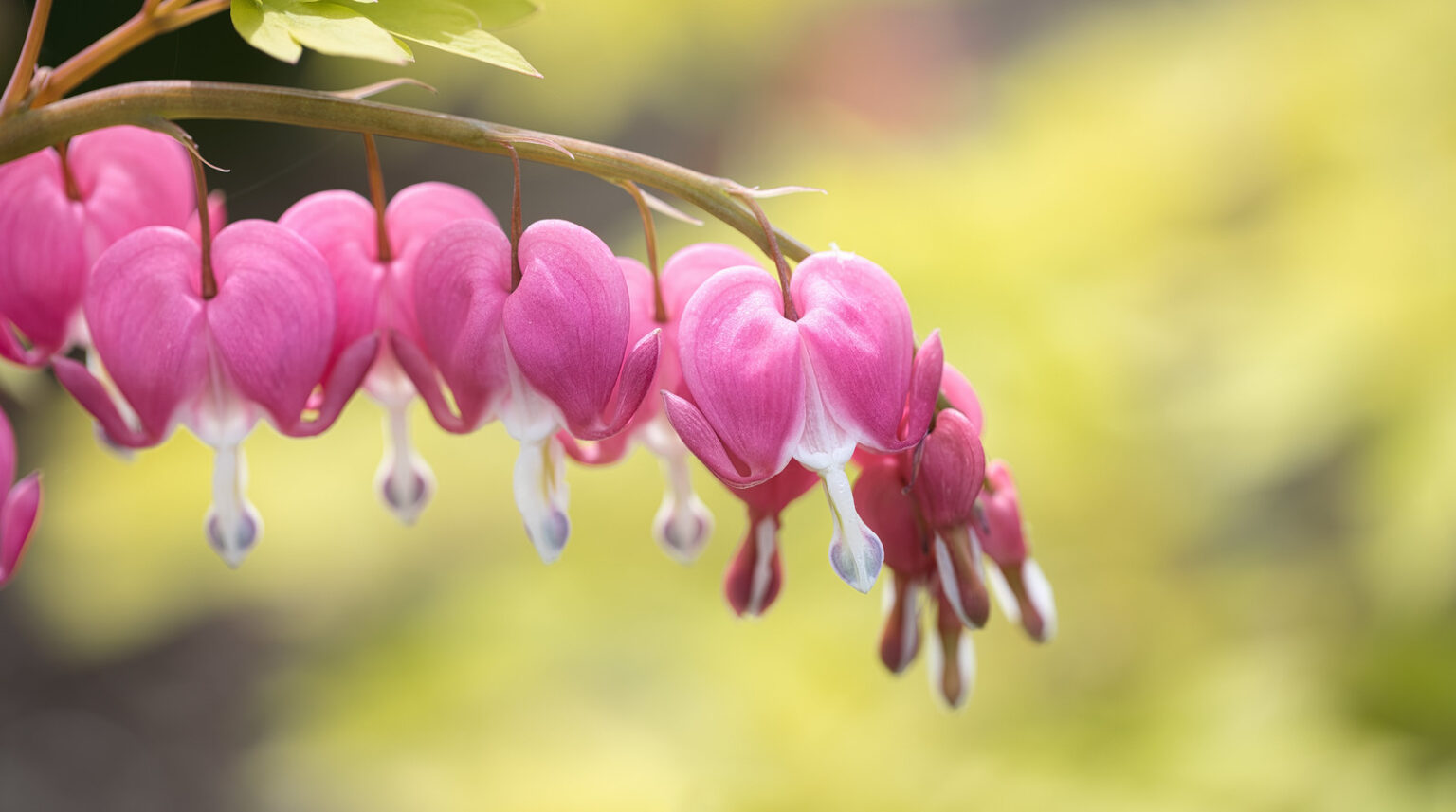
Bleeding hearts prefer light shade and rich soil that drains well.
Plant in early spring for fast rooting and blooms that appear from late spring to early summer.
They grow quickly—often reaching 2–3 feet in one season.
The leaves die back in midsummer, leaving room for other plants to fill the spot.
Brunneras
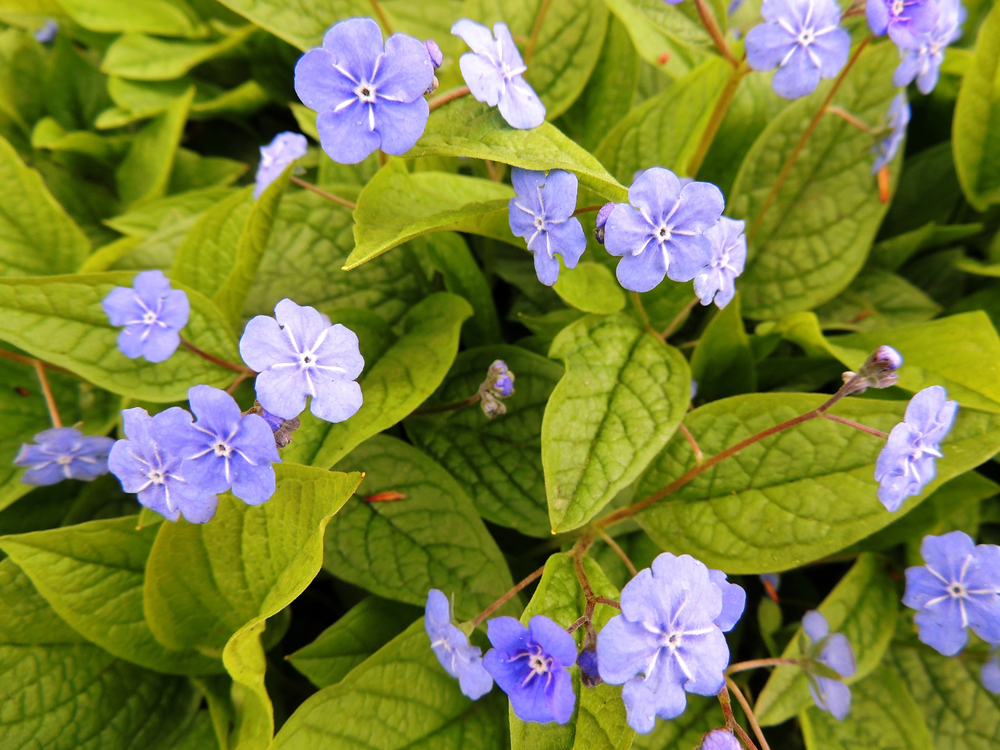
Brunneras grow best in medium to full shade and moist, well-draining soil.
Plant in early spring or fall when temperatures are cooler.
Popular varieties with eye-catching leaves include:
- ‘Jack Frost’ — silver leaves with green veins
- ‘Looking Glass’ — brighter silver foliage
Japanese Forest Grass
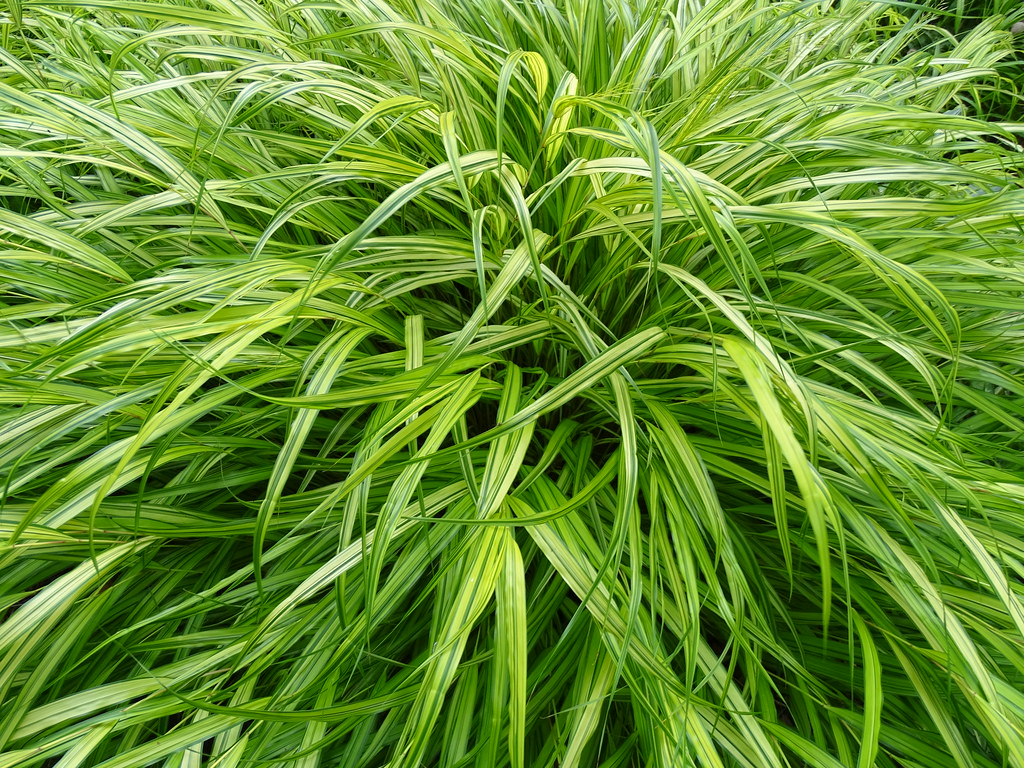
This grass is loved for its soft, arching shape.
It grows well in partial to full shade and soil that is rich and well-drained.
Plant in spring to help it grow before the hottest months.
A standout choice:
- ‘Aureola’ — chartreuse leaves striped with green that turn golden in fall
Tiarella (Foamflower)
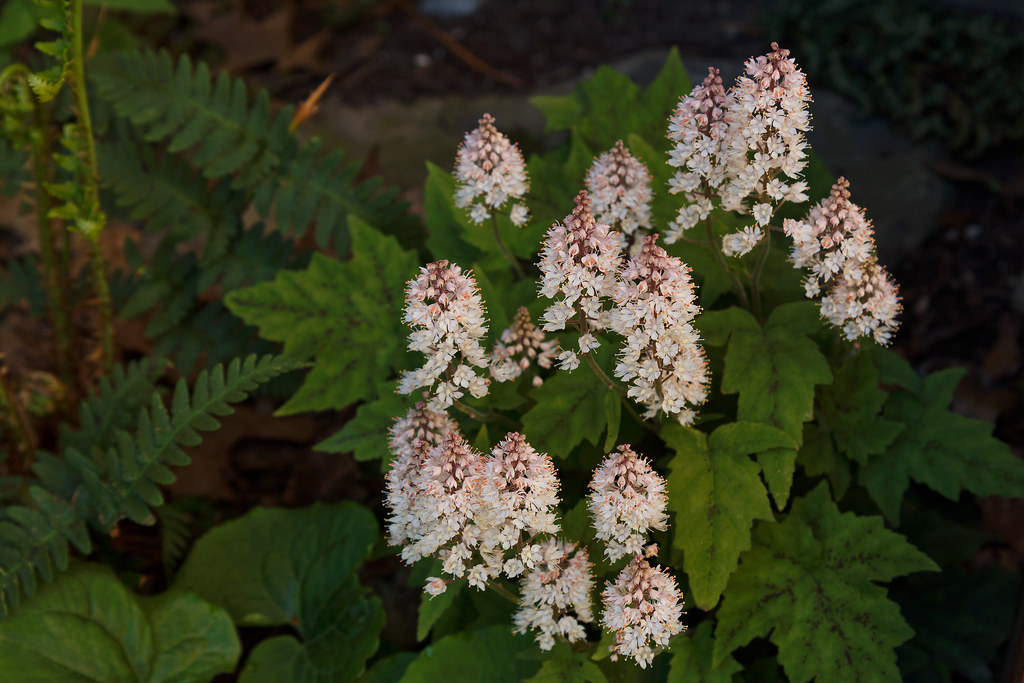
Tiarella prefers shady areas with loose, humus-rich soil.
Plant in spring or fall, as it handles cool weather well.
These plants resist diseases and do not need much care.
Gardeners enjoy decorative types such as:
- ‘Sugar and Spice’ — bold leaf patterns and light flower spikes
Solomon’s Seal
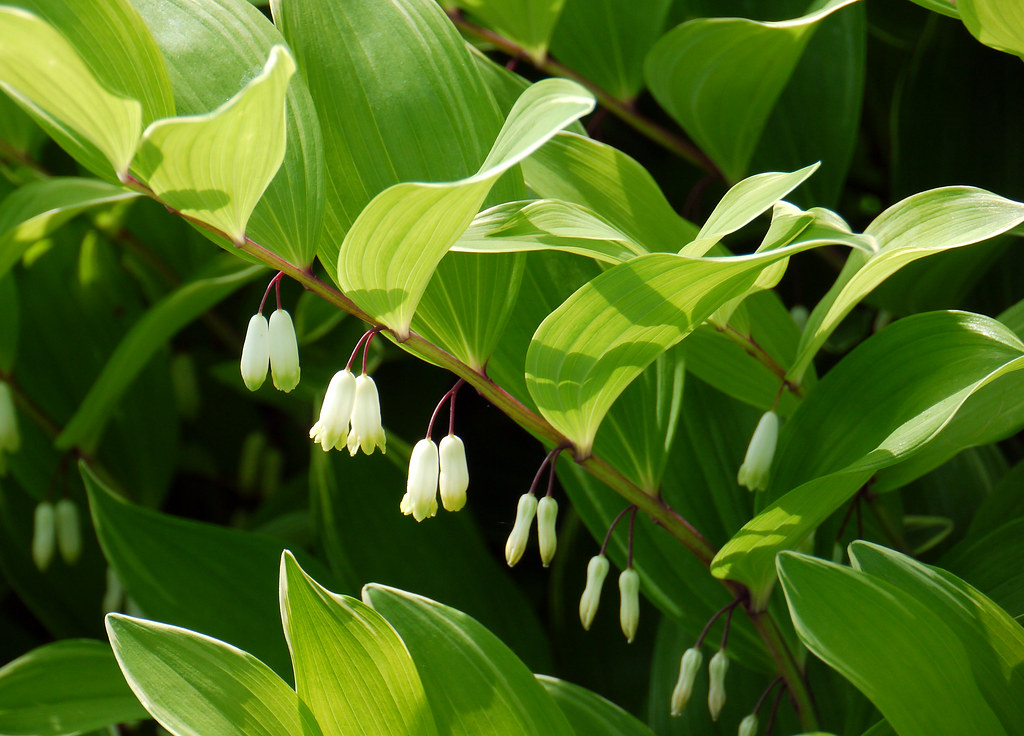
Solomon’s seal grows well in rich, well-drained soil and partial shade.
Plant it in early spring.
It rarely gets diseases and needs very little attention.
Its leaves slowly shift from green to soft gold tones as the season changes.
Hellebores
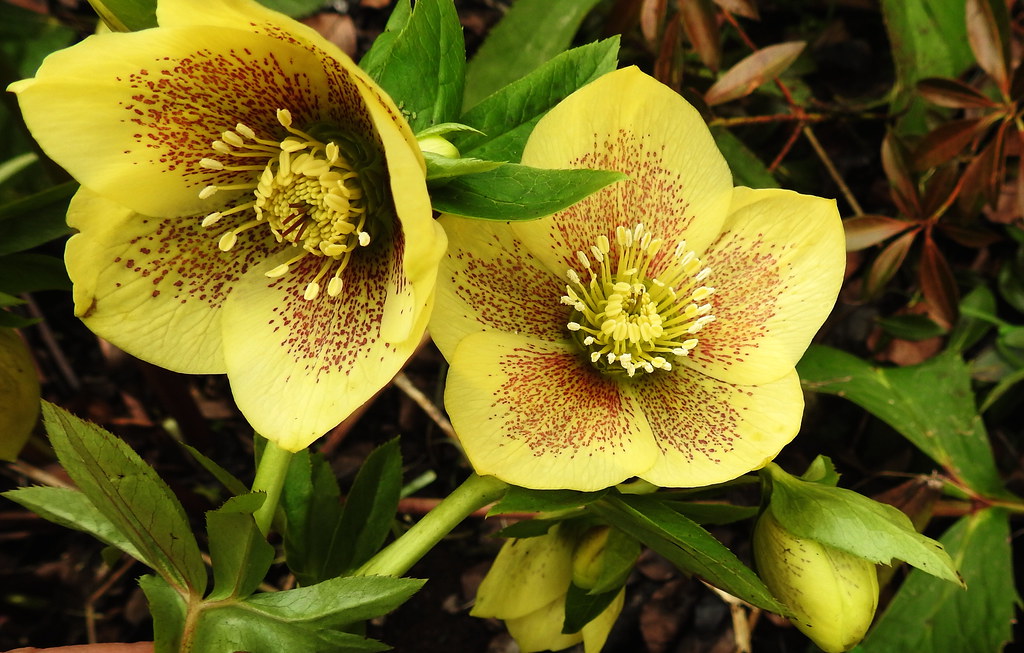
Hellebores should be planted in early fall, giving their roots time to settle before winter.
They prefer fertile, well-drained soil with plenty of organic matter.
These plants are hardy, long lasting, and naturally resistant to most diseases.
Ligularias
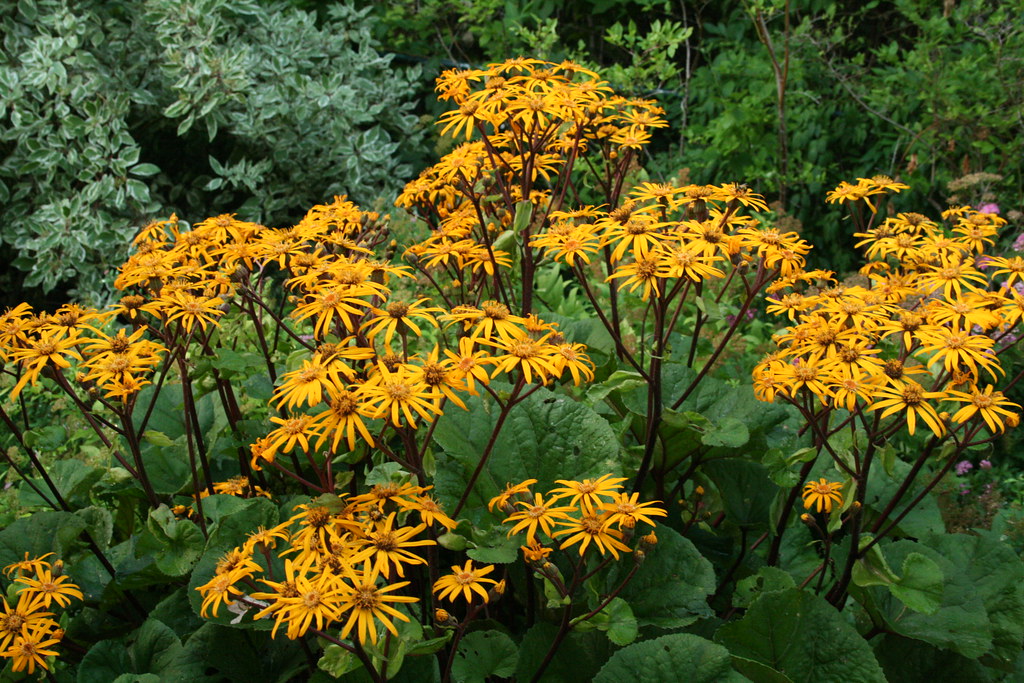
Ligularias grow best in rich, moist soil and are usually planted in spring or fall.
Their large leaves turn bronze or purple as fall arrives.
Top varieties include:
- ‘The Rocket’ — tall spikes of yellow flowers
- ‘Britt-Marie Crawford’ — bright blooms with dark leaves
Lamium (Dead Nettle)
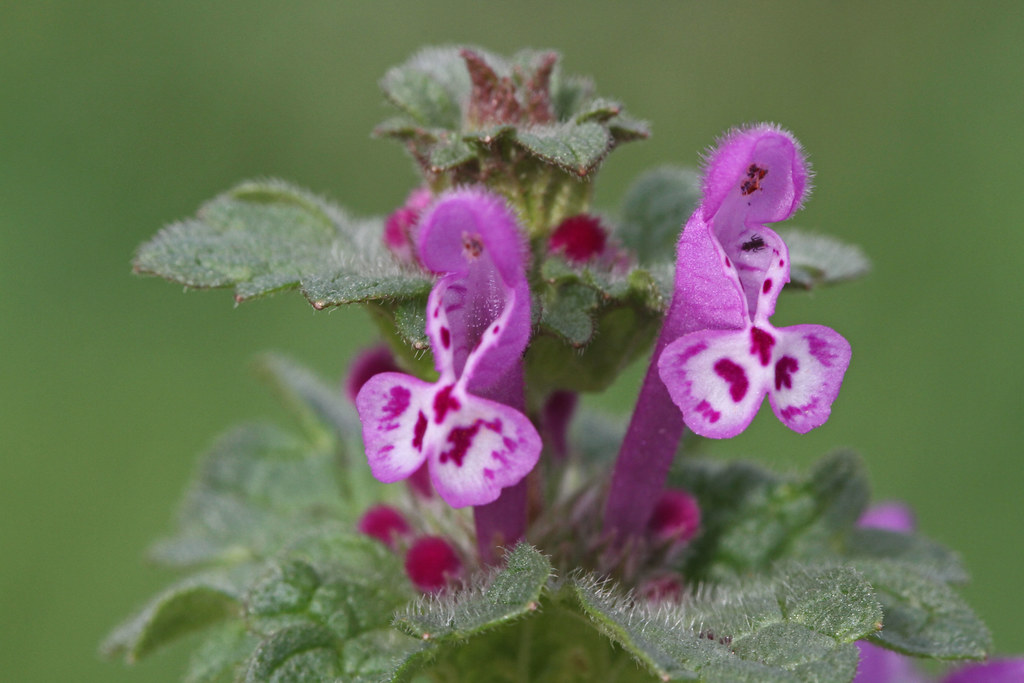
Lamium is a slow-spreading, easy plant that fills shady areas gently.
It likes partial to full shade and soil that drains well.
Common varieties:
- ‘White Nancy’ — silver and white tones
- ‘Orchid Frost’ — purple blooms and patterned leaves
Epimediums
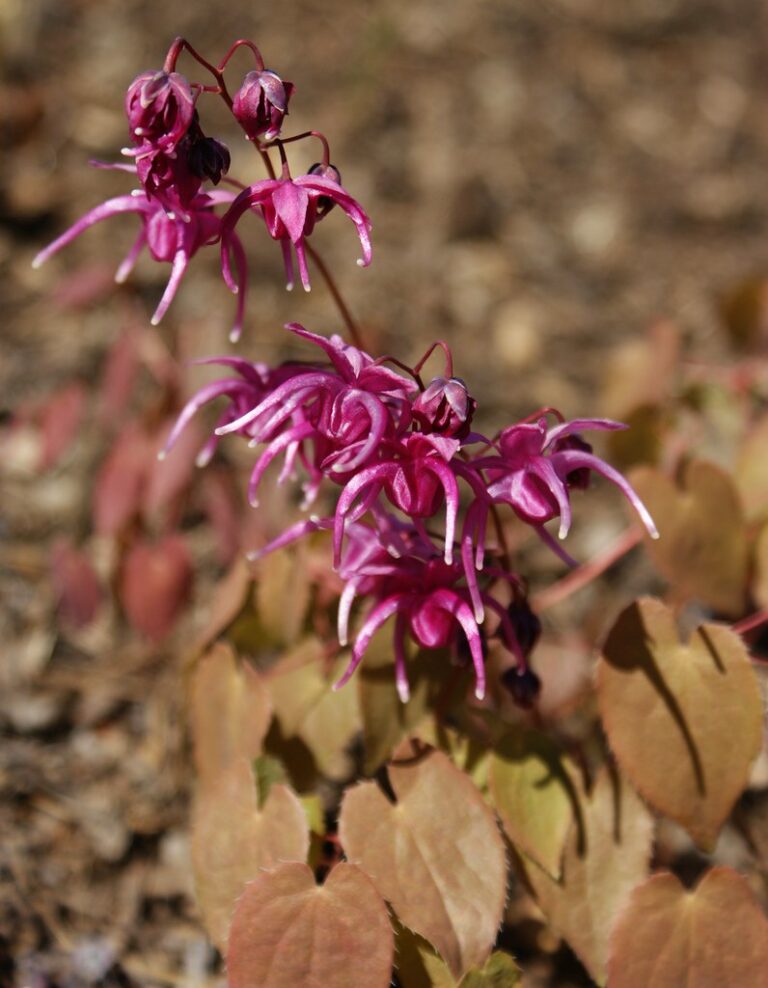
Epimediums handle many soil types but grow best in well-draining, humus-rich soil.
Plant in spring or fall.
They stay healthy with very few diseases and make a reliable groundcover.
Favorite selections include:
- ‘Sulphureum’ — soft yellow flowers
- ‘Grandiflorum’ — purple blooms

I’m Emma Parker, the writer and founder behind Emma’s Home Guide. This blog was created to share practical ideas, honest experiences, and helpful guidance for everyday living. My goal is to make home life feel easier, warmer, and more enjoyable, without pressure or perfection.