Pothos, also called Devil’s Ivy, is a very popular indoor plant with shiny, heart-shaped leaves and long trailing stems. It is easy to care for and can grow well in most indoor spaces.
Even though pothos naturally grows like a vine, many people want their plant to look thick, bushy, and full instead of long and leggy. Below are seven simple methods to help your pothos grow fuller and healthier in your home or office.
Choose the right spot
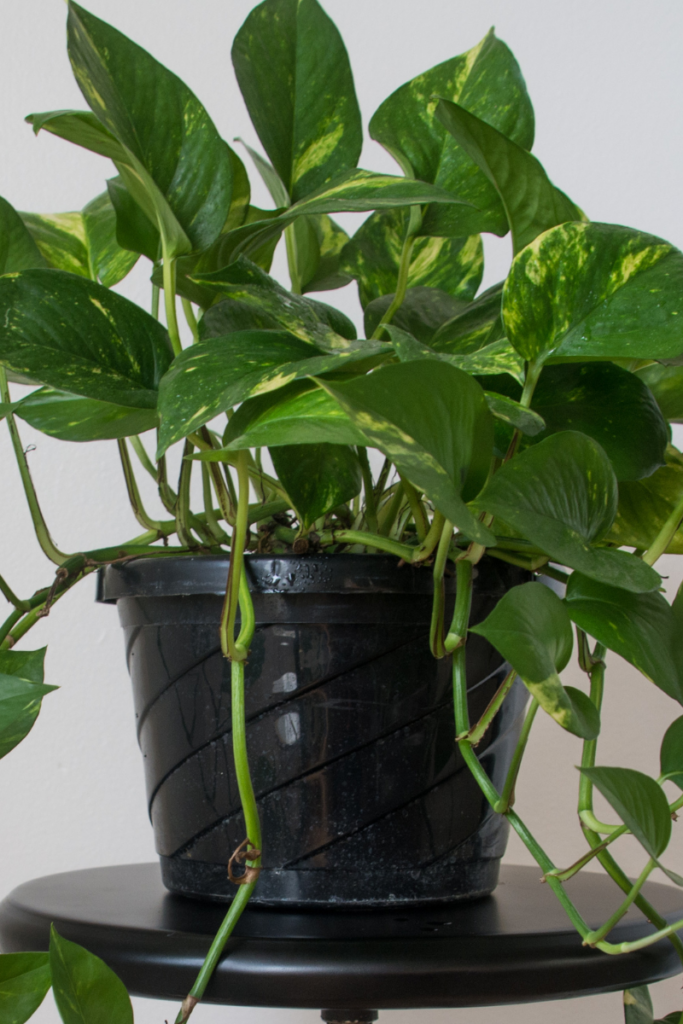
Light is very important for pothos growth. These plants grow best in bright but indirect light. They can survive in low light, but they may stretch out and produce fewer leaves. Direct sunlight can burn the leaves.
A window facing east or north usually works best. If your room is dark, you can use a grow light to help the plant. A pothos that does not receive enough light will grow long stems with fewer leaves.
Water wisely

Overwatering is one of the biggest reasons pothos plants struggle. Let the top inch of soil dry before watering again. You can check by pushing your finger into the soil. If it feels dry, water the plant.
If it still feels wet or cool, wait a few days. Pothos can handle underwatering better than too much water. Overwatering can cause the roots to rot and slow the plant’s growth.
Feed your plant a little fertilizer

A small amount of food helps pothos grow more leaves and look fuller. Use a balanced liquid houseplant fertilizer at half strength every 4–6 weeks during spring and summer, when the plant grows the most.
Do not fertilize too often, and avoid feeding in winter, because the plant rests during cold months. Too much fertilizer can damage the plant instead of helping.
Prune to make the plant fuller
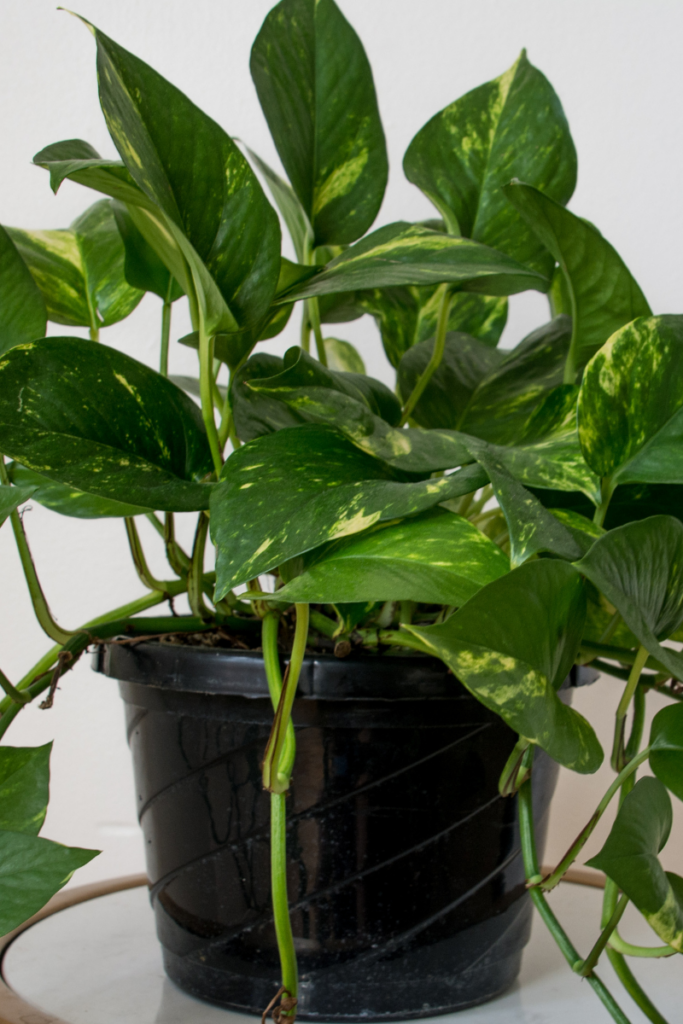
Cutting the vines encourages new branches and more leaves. Trim back long, thin, or bare stems whenever needed. Each cut will push the plant to grow new shoots, making the plant look thicker.
You can save the cut pieces and grow new pothos from them. Place a cutting with a leaf node in water, and roots will begin to grow.
Repot when needed
If the plant looks too big for its pot or roots are coming through the drainage holes, it is time to repot.
Move it into a pot that is slightly bigger than the current one.
Adding fresh soil gives the roots more room and provides new nutrients. Repotting every one to two years keeps the plant healthier and encourages fuller growth.
Check for pests
Small insects such as spider mites and mealybugs can affect pothos growth.
Look closely at the leaves and stems often. If you see pests, gently clean the plant with soapy water or use a safe pest spray.
Wiping the leaves from time to time also removes dust and helps prevent bugs from settling on your plant.
Increase humidity
Pothos grows best when the air is slightly humid. If you live in a dry place, you can put a humidifier near the plant or place the pot on a tray filled with small stones and water.
As the water evaporates, it raises humidity around the plant. Light misting is optional but can be helpful.
With the right light, proper watering, gentle pruning, and a little extra care, your pothos can grow thick, leafy, and beautiful. Follow these tips, and your plant will reward you with strong growth and a fuller look all year long.

I’m Emma Parker, the writer and founder behind Emma’s Home Guide. This blog was created to share practical ideas, honest experiences, and helpful guidance for everyday living. My goal is to make home life feel easier, warmer, and more enjoyable, without pressure or perfection.